lily mollicone
dancer, educator, choreographer
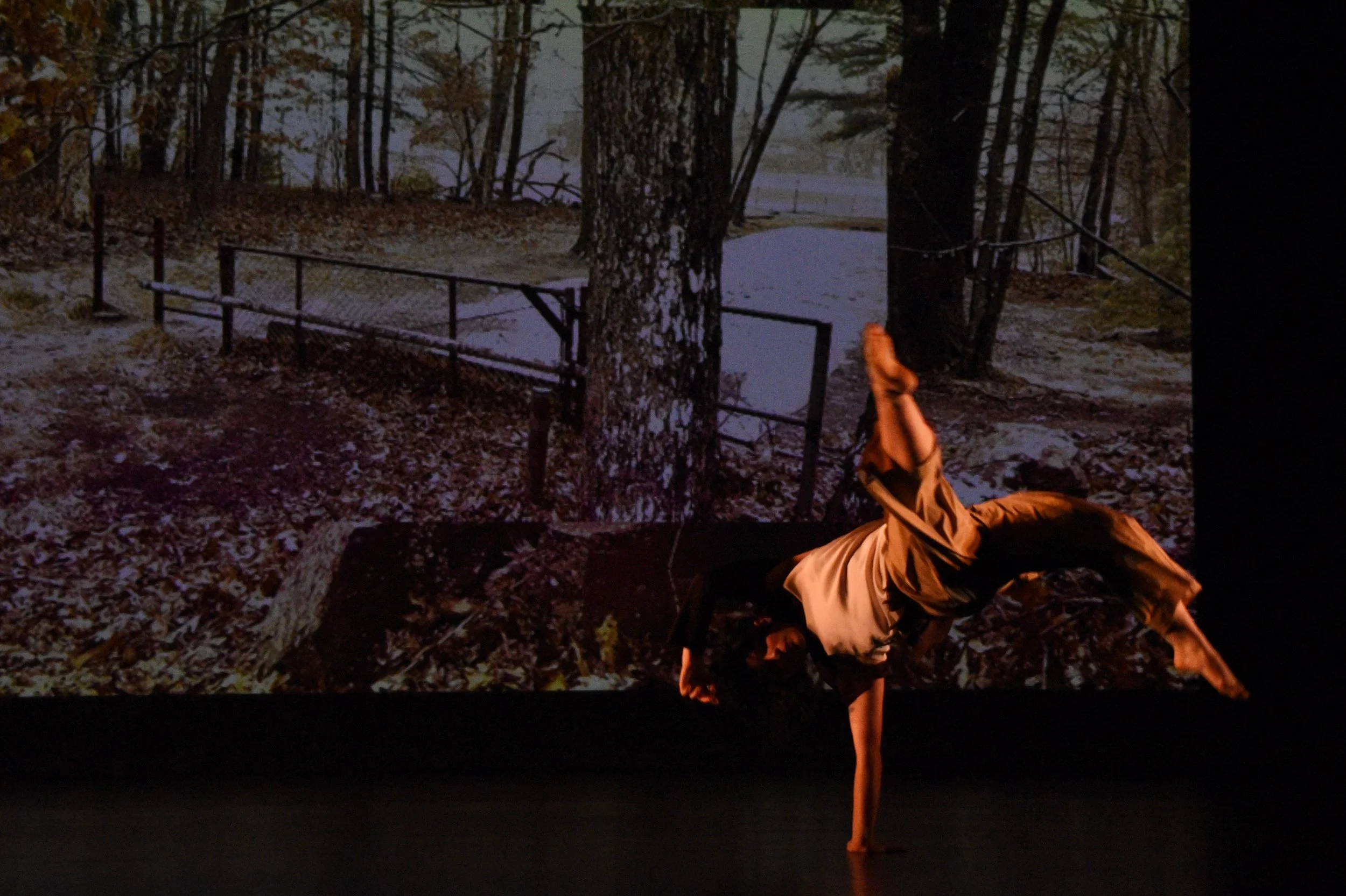
my identity as a dancer and teacher is deeply rooted in my contemporary ballet upbringing. i grew up telling stories, both with words and with movement, and feel at home as a performer when there is a story to be told. as a person, performer, and choreographer, i find fascination in mine and my peers’ attempts to rescue their morality in the midst of industrialized American society. in conjunction with the weight of this research, i offer stories of overcoming one’s surroundings to find joy, mundanity, simplicity and peace, both in my performance and in my dance pedagogy. i am drawn to performing in a dance work when i can help someone get something off their chest, and i hope to help dance students access a similar emotional release within their dance training.

Lily Mollicone is a Jersey City-based dancer, educator, and choreographer. She is currently a candidate for her Ed.M in Dance Education and a Zimmerli Teaching Fellow at Rutgers University- Graduate School of Education. She recently completed her Pilates- Reformer certification through Polestar Pilates’ Teacher Certification Program. Lily teaches contemporary forms at The Pennington Studio in Pennington, NJ and recently completed her student teaching in North Plainfield, NJ under the supervision of Rebecca Visintainer. In Summer 2025, Lily was a Dance Education Laboratory Arnhold Summer Fellowship recipient, where she spent three weeks studying the DEL method, Early Childhood Dance, and Embodied Dance History under Jody Gottfried-Arnhold, Deborah Damast, and Ann Biddle. She holds a BFA in Dance from Rutgers University- Mason Gross School of the Arts, where she studied under Gerald Casel, Brad Beakes, Ani Javian, and Roderick George, and performed works by Jose Limón, Netta Yerushalmy, and John Evans, among many others.
Lily took an active role in undergraduate-run theatre in her time at Rutgers, performing lead roles, choreographing musicals, and serving on the General Board for the Livingston Theatre Company and Cabaret Theatre. She has participated in three residencies with Choreography Project in Providence, RI, where she worked as a dancer, warmup facilitator, and Artistic Advisory Committee member. Lily spent her formative years as an apprentice at Providence Ballet Theatre in Providence, RI, under the direction of Eva Marie Pacheco.



what’s new?
a (tiny) solo work, unravel me, performed at MGSA’s 50th Anniversary Celebration on May 2, 2026.
dance reel
teaching vision
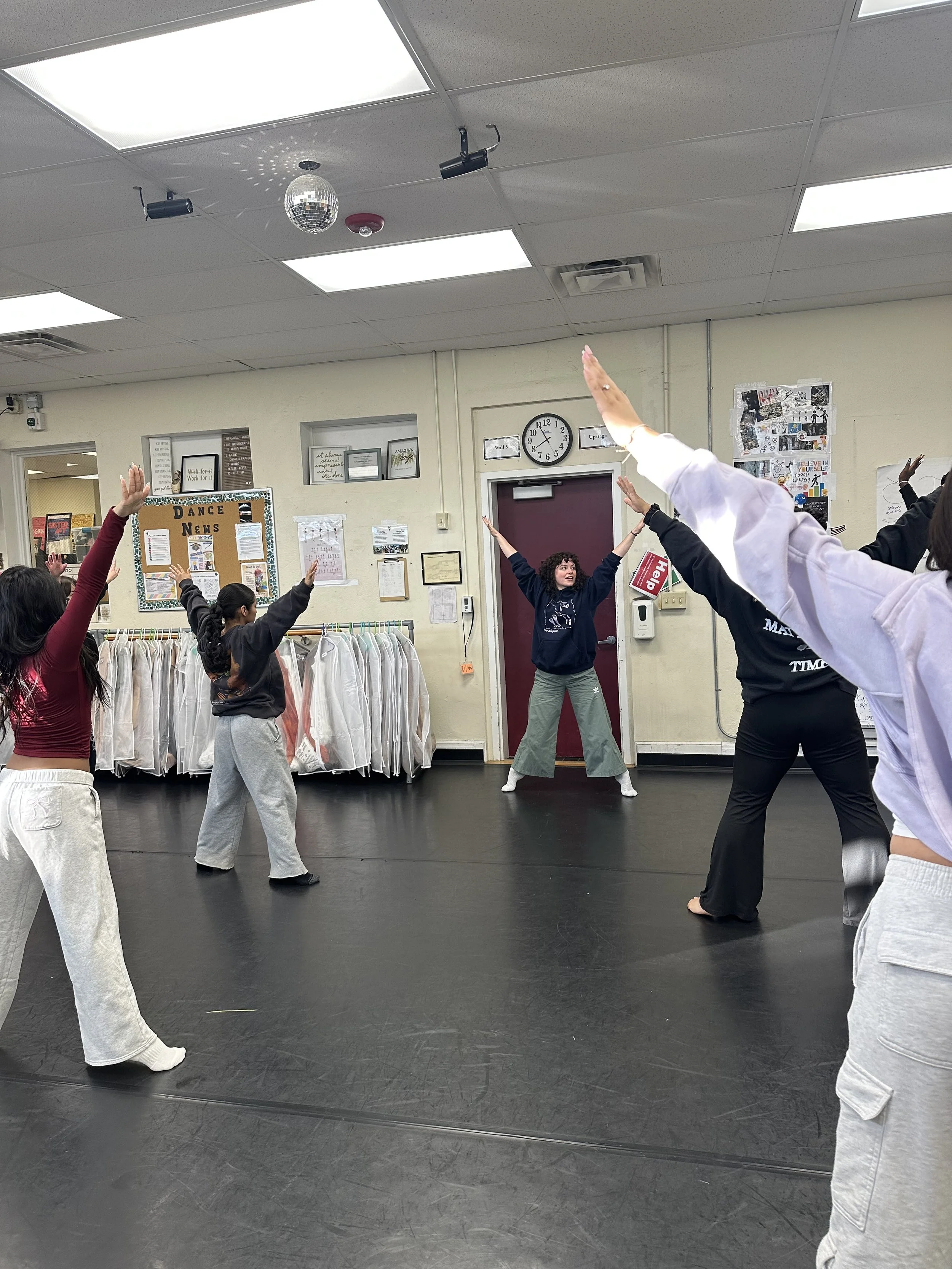
I hope to utilize K-12 dance education as a tool to prepare students for the ever-evolving nature of today's world. With America’s youth more isolated than ever, young people need the tools to access, understand, and express their emotions in healthy and productive ways.
In order to break these systemic emotional barriers, dance technique must serve as a tool for students to understand both the workings of the body and the mind. A teacher should encourage students to exercise both in every dance class, leaving the classroom each day feeling equally challenged and encouraged. There should always be something to work for. That challenge could be physical or intellectual.
A dancer’s brain is the most important part of their movement practice. Dance strengthens invaluable cognitive processes, including but not limited to communication, problem solving, self-reflection, and creativity. In alignment with my expectations that dance students should feel both intellectually inspired and challenged through dance, it is crucial that students’ ideas are fully their own, and that a teacher empowers students to be the leaders of their own artistic journeys. As a teacher, I will expose students to art in various forms as a means to foster inspiration, connection, and growth in their creative practices and their understanding of the world outside of the classroom.
A dance teacher should be aware of their own emotional connection to dance, and be able and willing to help students foster that connection within themselves. They should have thoroughly examined their own biases within the dance world and their own upbringing in it. As a teacher, I will make every effort to prepare my students for the world of dance, as well as the world they will experience beyond the classroom.
choreography reel